
Ageing skin is often discussed in terms of wrinkles or sagging, yet the biological process behind these changes is much deeper. Collagen loss sits at the centre of skin ageing. From our late twenties onwards, the skin gradually produces less collagen, leading to reduced elasticity, early laxity, and visible changes in texture.
This is where the concept of collagen banking has emerged as one of the most important strategies in modern dermatology. Rather than waiting for significant skin ageing to appear, many patients are now seeking collagen stimulation treatments that support the skin’s structure earlier and help preserve long term skin quality.
At Dr Haus Dermatology, a leading private dermatology clinic on Harley Street in London, patients are increasingly interested in treatments that encourage the skin to regenerate its own collagen. Technologies such as RedTouch Pro® laser, RF Microneedling, and Ultherapy® PRIME offer different mechanisms of action, each designed to stimulate dermal collagen production and support skin remodelling.
When used thoughtfully, these treatments can complement each other, creating a layered approach to collagen stimulation and skin rejuvenation.
Collagen banking refers to the strategy of stimulating and preserving collagen production before significant loss occurs. The skin relies on collagen and elastin fibres within the dermis to maintain strength, structure, and elasticity. Over time, fibroblast activity slows, collagen fibres degrade, and the skin begins to lose firmness.
Collagen stimulation treatments aim to activate fibroblasts and encourage the production of new collagen through controlled energy or micro injury. This process, known as neocollagenesis, supports the extracellular matrix and helps maintain structural skin support.
Unlike treatments that simply add temporary volume, collagen stimulation focuses on encouraging the body’s own regenerative processes.
This preventative dermatology approach is particularly relevant for patients who wish to maintain skin quality gradually rather than seeking dramatic correction later.
Fibroblasts are specialised cells responsible for producing collagen and elastin fibres within the dermis. These proteins form the structural framework of the skin.
As fibroblast activity slows with age, the skin’s ability to repair and regenerate decreases. The result is thinner skin, loss of elasticity, and the development of fine lines.
By the age of 40, collagen production starts to decline more rapidly. Over time, this gradual degradation contributes to:
Several external factors also accelerate collagen degradation, including:
Dermatology led treatments designed to stimulate collagen production can help counteract these effects by encouraging the skin to regenerate from within.
One of the most innovative developments in collagen stimulation laser technology is the DEKA RedTouch® laser.
Dr Haus Dermatology was the first clinic in the UK to introduce the RedTouchPro® laser, offering patients access to a device specifically developed to target dermal collagen fibres.
Patients interested in RedTouch Pro® laser treatment can explore more about this technology through RedTouch® laser treatment on the clinic website.
RedTouch Pro® uses a 675nm wavelength designed to interact directly with collagen fibres in the dermis. Rather than targeting pigment or water in the skin, the laser energy directly stimulates collagen contraction and regeneration.
This process encourages fibroblast activation and supports the production of new collagen.
Many lasers focus on resurfacing the skin or targeting pigment. RedTouch Pro®is unique in that it has the ability to specifically stimulate collagen.
This allows dermatologists to address early skin laxity and structural changes while maintaining the integrity of the skin’s surface.
RedTouch Pro® laser may be suitable for patients experiencing:
The treatment is often considered by patients seeking laser treatments that stimulate collagen without significant downtime.
Another widely used collagen regeneration treatment is RF microneedling, also known as radiofrequency microneedling.
Patients considering RF microneedling treatment can learn more via RF microneedling treatment information available by clicking here.
RF microneedling combines two mechanisms:
This stimulates fibroblast activity and encourages the production of new collagen and elastin fibres.
RF microneedling is commonly used to improve:
Because the treatment stimulates dermal regeneration, results typically develop gradually over several months as new collagen forms.
RF microneedling can be used across multiple areas including:
It is frequently used as part of broader skin rejuvenation treatments designed to maintain skin quality over time.
While lasers and RF treatments focus primarily on the dermis, Ultherapy® PRIME works deeper within the skin’s structural layers.
Patients interested in ultrasound based skin tightening can learn more through Ultherapy® PRIME skin tightening information by clicking here.
Ultherapy® PRIME uses focused ultrasound energy to create controlled thermal stimulation at precise depths beneath the skin.
These thermal points stimulate collagen production and encourage tissue tightening.
Unlike lasers, which work on the surface and mid dermis, ultrasound energy can reach deeper structural layers.
This allows dermatologists to address deeper tissue support and lift.
Results develop gradually as collagen production increases over several months. Improvements in skin firmness may continue to develop for up to six months following treatment.
Modern dermatology increasingly focuses on combination treatments for collagen loss, recognising that different technologies stimulate collagen in different ways.
Each treatment works at a different depth:
When used strategically, these treatments create layered collagen stimulation.
Addressing both superficial and deeper layers allows dermatologists to support overall skin structure rather than targeting only one level of the skin.
For many patients, collagen banking involves periodic treatments designed to maintain fibroblast activity and collagen production over time.
Treatment planning should always be personalised and guided by a dermatological assessment.
Early collagen stimulation may help maintain skin quality and delay visible signs of ageing.
At this stage, collagen stimulation treatments may help address early laxity while supporting skin regeneration.
Patients experiencing early skin laxity are often ideal candidates for collagen banking treatments. Subtle changes such as reduced firmness, mild jowling which is the early, subtle stages of sagging skin and tissue that develop along the jawline and lower cheeks, or changes in skin texture are usually early signs of collagen decline and weakening skin support.
Collagen banking treatments are designed to stimulate the skin’s natural collagen production before more significant laxity develops. By strengthening the skin at this stage, these treatments can help maintain firmness, preserve facial structure, and support long term skin quality.
Patients who notice these early changes often benefit most from a proactive approach, where gradual collagen stimulation helps slow visible ageing and maintain natural looking results over time.
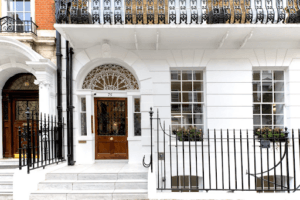
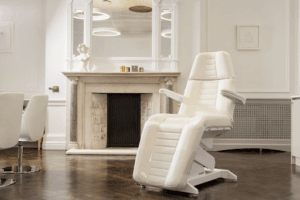
Dr Haus Dermatology is a private dermatology clinic established over 15 years ago on Harley Street, London, providing expert care for both medical and aesthetic skin concerns. The clinic takes a consultation-led approach, with a focus on correct diagnosis, personalised treatment planning, and long-term skin health.
Patients are assessed and treated by experienced Dermatologists, ensuring care is medically led from the outset. The team manages a wide range of skin concerns, from common and complex dermatological conditions to skin cancer checks and aesthetic treatments, always prioritising safety and evidence-based care.
Patients can find out more about the Dermatologists behind their care on the Meet the Team page, or make an enquiry via the Contact Us page, or alternatively, chat to us now via WhatsApp. Dr Haus Dermatology welcomes patients from London and across the UK.
Collagen stimulation treatments include technologies such as laser therapy, RF microneedling, and ultrasound based treatments. These treatments stimulate fibroblasts and encourage the production of new collagen.
Collagen banking refers to stimulating collagen production earlier in life in order to preserve skin structure and delay visible ageing.
RedTouch Pro® laser uses a 675nm wavelength that directly interacts with dermal collagen fibres, encouraging fibroblast activation and new collagen production.
RF microneedling combines microneedles and radiofrequency energy to stimulate collagen production and support dermal regeneration.
Ultherapy® PRIME results typically develop over several months and may last up to 12-18 months depending on the individual and the treatment plan.


